Our team is always happy to assist you.
Open Now Closes at 18:00
Pharmacists can assess and treat middle ear infections under the NHS Pharmacy First scheme. This service provides fast access to advice, pain relief and, when needed, antibiotics, without needing a GP appointment. It offers quick, convenient care for ear pain, fever and discomfort at your local pharmacy.
1. What the Service Includes Ambulatory Blood Pressure Monitoring (ABPM) is a diagnostic service that measures your blood pressure automatically over a 24-hour period while you go about your normal daily activities and sleep. A small, portable monitor is fitted to your arm and takes regular readings throughout the day and night. These readings provide a detailed profile of how your blood pressure changes over time, helping to give a more accurate picture than a single reading taken in a clinic. 2. Who Can Use This ServiceThis service is suitable for individuals who: Have been advised to monitor their blood pressure more closely Have previously recorded high blood pressure readings in a clinic Need confirmation of a possible high blood pressure diagnosis Are currently taking medication for blood pressure and require monitoring Want a comprehensive assessment of their blood pressure pattern over 24 hours 3. Why People Choose ABPM at a Pharmacy Provides more accurate and detailed blood pressure data than single readings Helps identify conditions such as “white coat” hypertension or masked hypertension Convenient and professional service without needing to attend multiple appointments Fast results that can be shared with your healthcare professional if needed Carried out by trained pharmacy staff in a comfortable and accessible setting 4. How the Process Works A trained member of the pharmacy team fits the monitor to your arm. You wear the monitor for approximately 24 hours during normal daily activities and sleep. The device records blood pressure readings at regular intervals. You return the monitor to the pharmacy the next day for analysis. A detailed report of your blood pressure readings is provided. This service helps provide a clearer understanding of your blood pressure and supports better decisions about your health and treatment if required.
If you’re 18 or older and experiencing a skin infection, our Pharmacy First service offers free expert advice and treatment from our trained pharmacists. We’re here to help you manage your symptoms quickly and effectively.
An insect bite occurs when an insect pierces the skin, typically to feed or as a defensive response, often injecting saliva or venom in the process. While most insect bites are mild and harmless, some may trigger allergic reactions or transmit infections. Although common, insect bites that become infected require timely medical attention to prevent complications.
If you’re aged 18 or over and experiencing shingles, our Pharmacy First service provides free expert advice and treatment from our trained pharmacists. We’re here to help you manage your symptoms effectively and comfortably.
Sinusitis, commonly referred to as a sinus infection, is the inflammation of the sinus cavities—air-filled spaces located behind the forehead, cheeks, and eyes. This condition typically occurs when these cavities become blocked and infected, resulting in discomfort and a range of symptoms. As a prevalent health issue, a clear understanding of sinusitis is essential for accurate diagnosis and effective treatment.
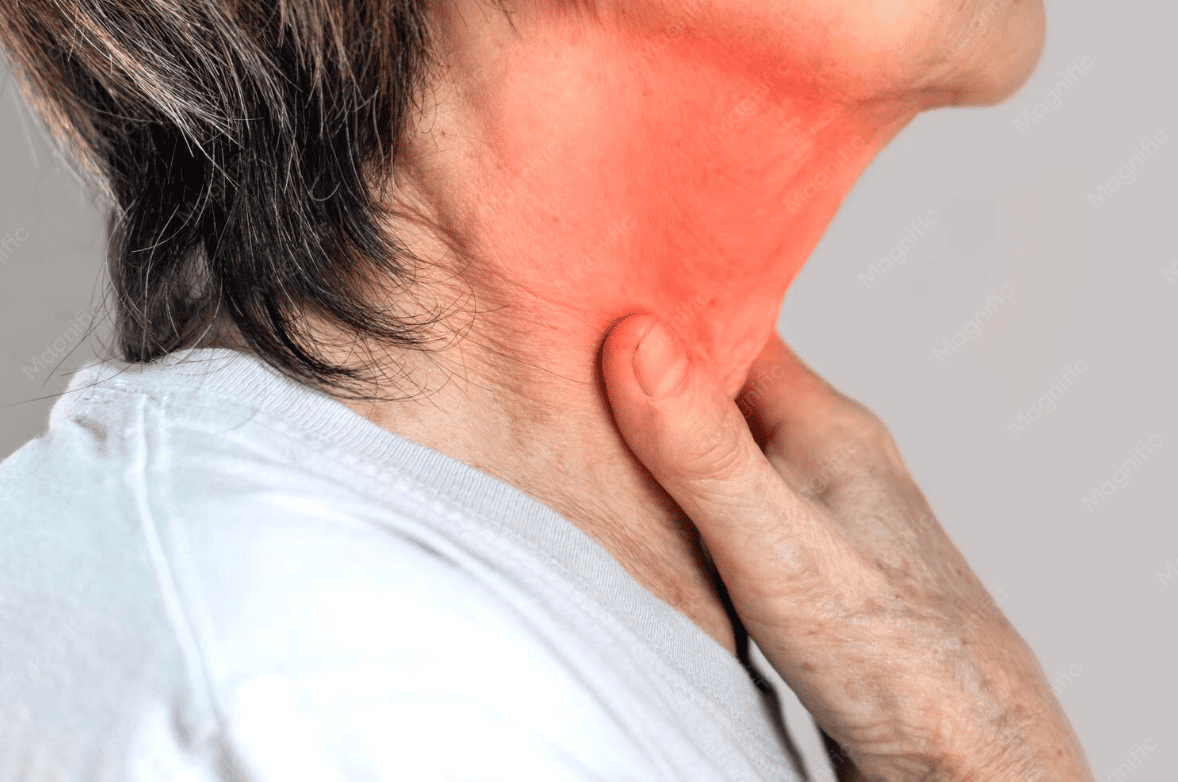
A sore throat, medically known as pharyngitis, is characterized by irritation, scratchiness, or pain in the throat, which often intensifies with swallowing. Although typically a symptom of an underlying condition, recognising its causes and associated symptoms is important for appropriate diagnosis and effective management.
A urinary tract infection (UTI) is a bacterial infection that can affect any part of the urinary system, including the kidneys, bladder, ureters, and urethra. UTIs are more common in women, largely due to anatomical differences such as a shorter urethra. Early diagnosis and appropriate treatment—typically with antibiotics—are crucial for relieving symptoms and preventing potential complications.